

Put An End To
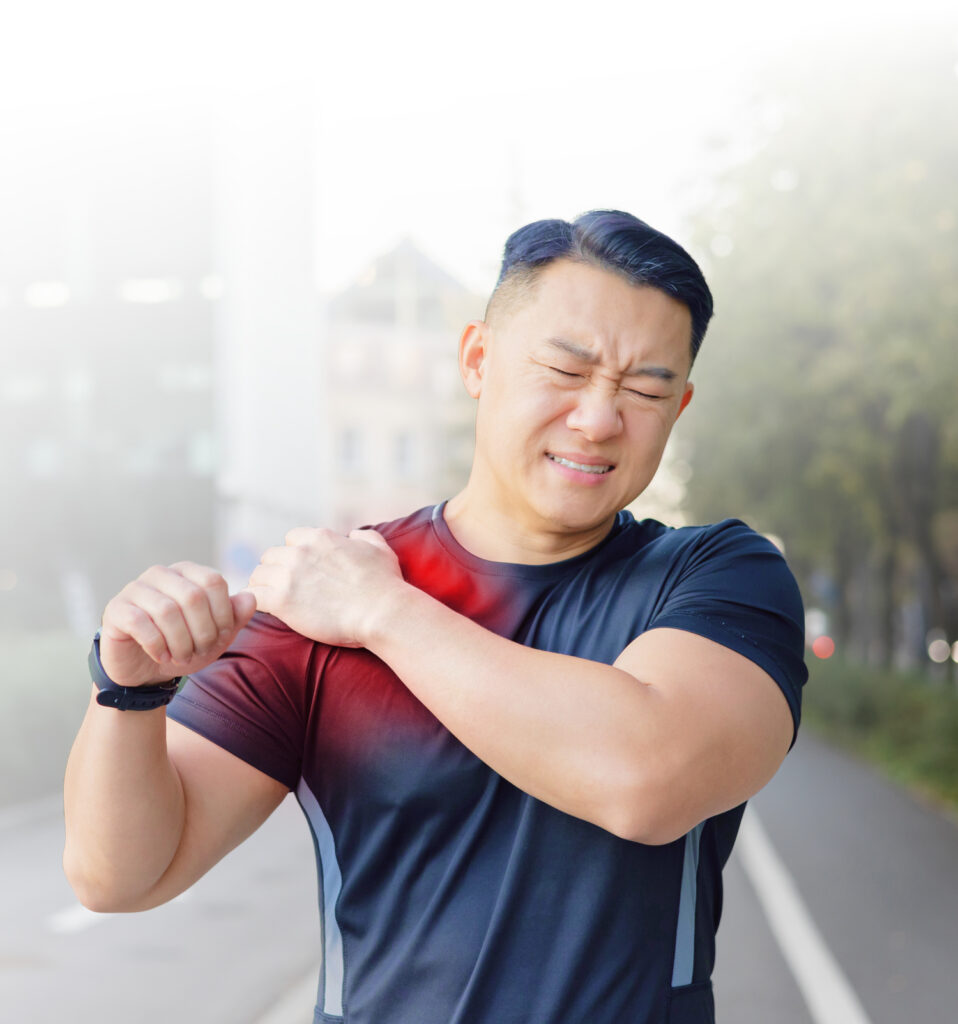
Shoulder Pain From Rotator Cuff Tear
- Consult Dr Dennis Ng, Rotator Cuff Specialist With 15+ Years Of Experience
- Same Day Appointments Available
- Get guidance on the medisave & insurance claims process.

Orthopaedic Specialist Specialising In Rotator Cuff Conditions
- Canadian Fellowship-trained Orthopaedic Rotator Cuff Specialist
- Former Deputy Head Of Shoulder & Elbow Division at NUH
- Over 15 Years Of Experience as a Skilled & High-Volume Rotator Cuff Surgeon

Guidance for Insurance Claims on Rotator Cuff Treatment
Your journey to recovery should be as smooth and stress-free as possible, and we’re committed to making that happen.
Our goal is to help you maximize your benefits and minimize out-of-pocket costs, so you can focus on your recovery.
If you have any questions or need further assistance regarding Medisave eligibility, insurance claim procedures, or cost estimates, please don’t hesitate to reach out to our team.

When Should I See A Rotator Cuff Specialist?
Contact a rotator cuff specialist if you experience any of the following:
- Persistent or worsening shoulder pain, especially when lifting or rotating your arm
- Weakness or reduced strength in the shoulder, particularly during overhead movements
- Difficulty moving your shoulder through its full range of motion, especially raising your arm
- Shoulder pain that worsens at night, particularly when lying on the affected shoulder

Insurance
Our clinic is on the specialist panels of the following Health Networks/Insurance Plans, and we are happy to assist with your claims or
attend to any query you may have.
Personal Insurance






Corporate Insurance





Get prompt & effective medical attention
for your rotator cuff.
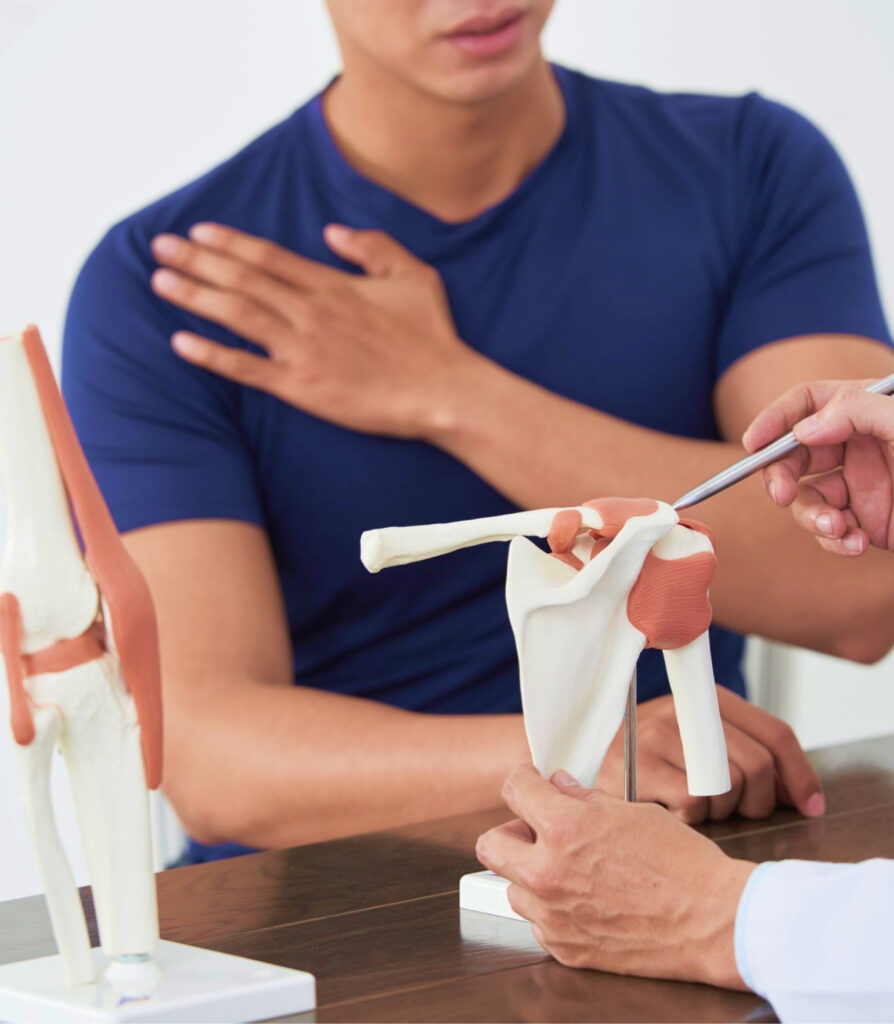
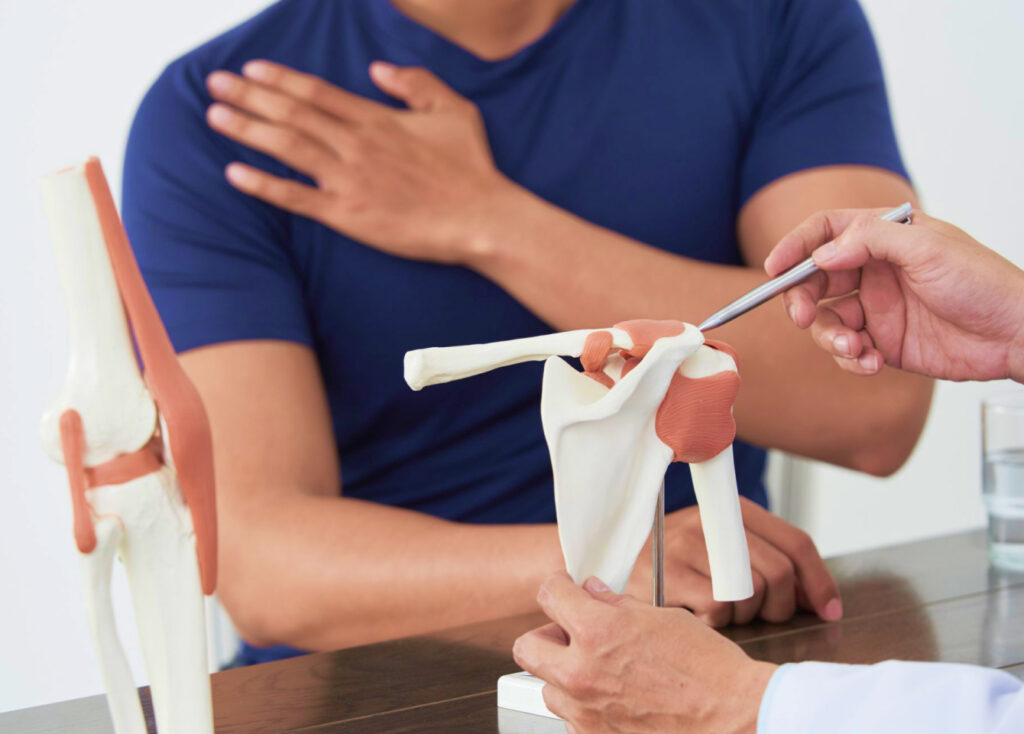
What is the cause of my rotator cuff condition?
Rotator cuff conditions typically result from damage to the muscles and tendons that stabilize your shoulder joint. The causes can vary, but common factors include:
- Repetitive overhead movements: Activities that involve lifting, reaching, or throwing can strain the rotator cuff, leading to tears or inflammation.
- Injury or trauma: A sudden injury, such as a fall or lifting something heavy, can cause rotator cuff tears.
- Age-related wear and tear: As we age, the tendons in the rotator cuff can degenerate, making them more prone to injury, especially in individuals over 40.
- Poor posture or shoulder mechanics: Improper movement patterns or poor posture can place excessive stress on the rotator cuff, leading to pain and damage over time.
- Bone spurs: Over time, bone spurs can develop on the shoulder bones, rubbing against the rotator cuff tendons and causing irritation or tears.
If you’re experiencing persistent symptoms, contact Dr. Dennis Ng today for an accurate diagnosis and tailored treatment plan.

Find out what's causing your rotator cuff pain or symptoms.
Take our quick quiz for helpful tips and guidance!

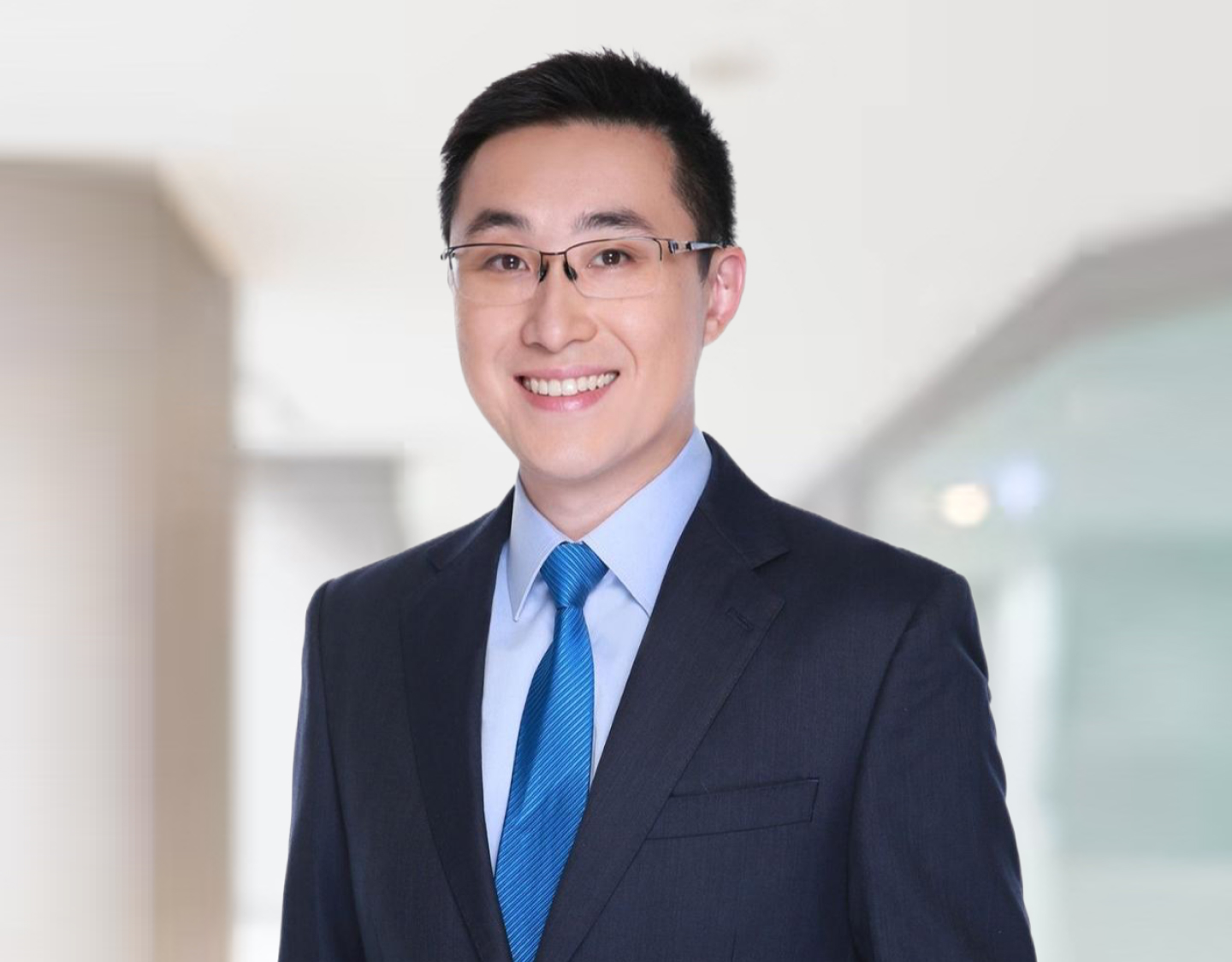
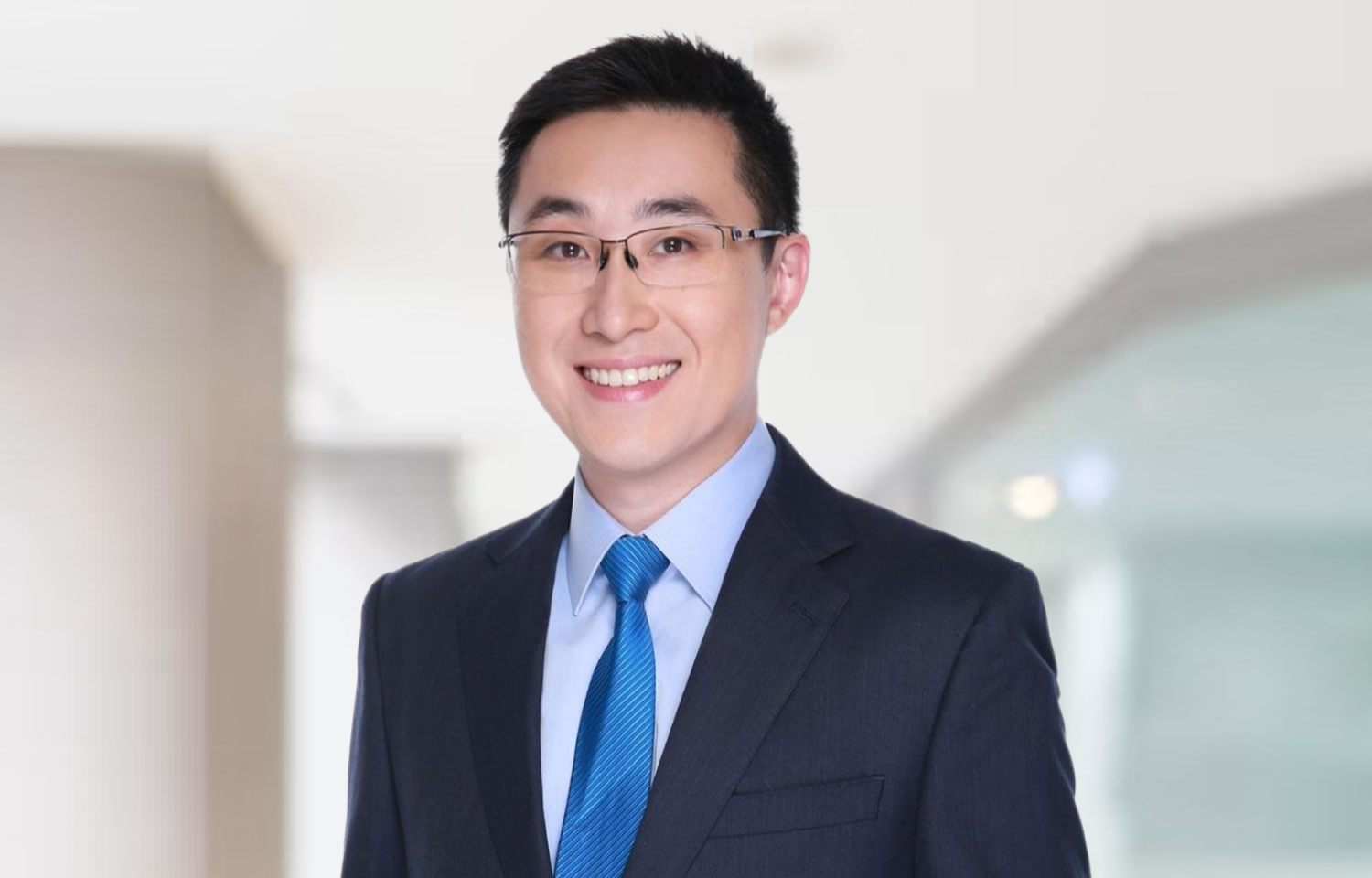
About Dr Dennis Ng Zhaowen
Dr Dennis is a orthopaedic rotator cuff specialist who completed his fellowship at the prestigious Fowler Kennedy Sports Medicine Centre in Canada and has extensive experience treating professional athletes and returning them to sports.
His special areas of interests include keyhole and reconstructive procedures of the shoulder. Common procedures include frozen shoulder release, rotator cuff repair, shoulder stabilization, labral repair, tennis elbow release.
- Former Deputy Head Of Shoulder & Elbow Division at NUH
- Over 15 Years Of Experience as a Skilled & High-Volume Rotator Cuff Repair Surgeon
Contact Dr Dennis Ng today for a personalised consultation.

Speak To Us About Your Rotator Cuff Pain
Our friendly clinic staff are here to listen and support you through every step of your recovery. Let us help you find the relief and care you deserve. For more assistance, please call (65) 6697 4999 or leave us a message.
- Mount Elizabeth Novena Specialist Centre
38 Irrawaddy Road #08-41, Singapore 329563 - Gleneagles Medical Centre
6 Napier Road #07-15, Singapore 258499