
FAST-TRACK THE RECOVERY OF YOUR SLAP TEAR/LABRAL TEAR
Reclaim your active lifestyle with minimally invasive SLAP Tear/Labral Tear treatments designed for faster recovery and optimal results.

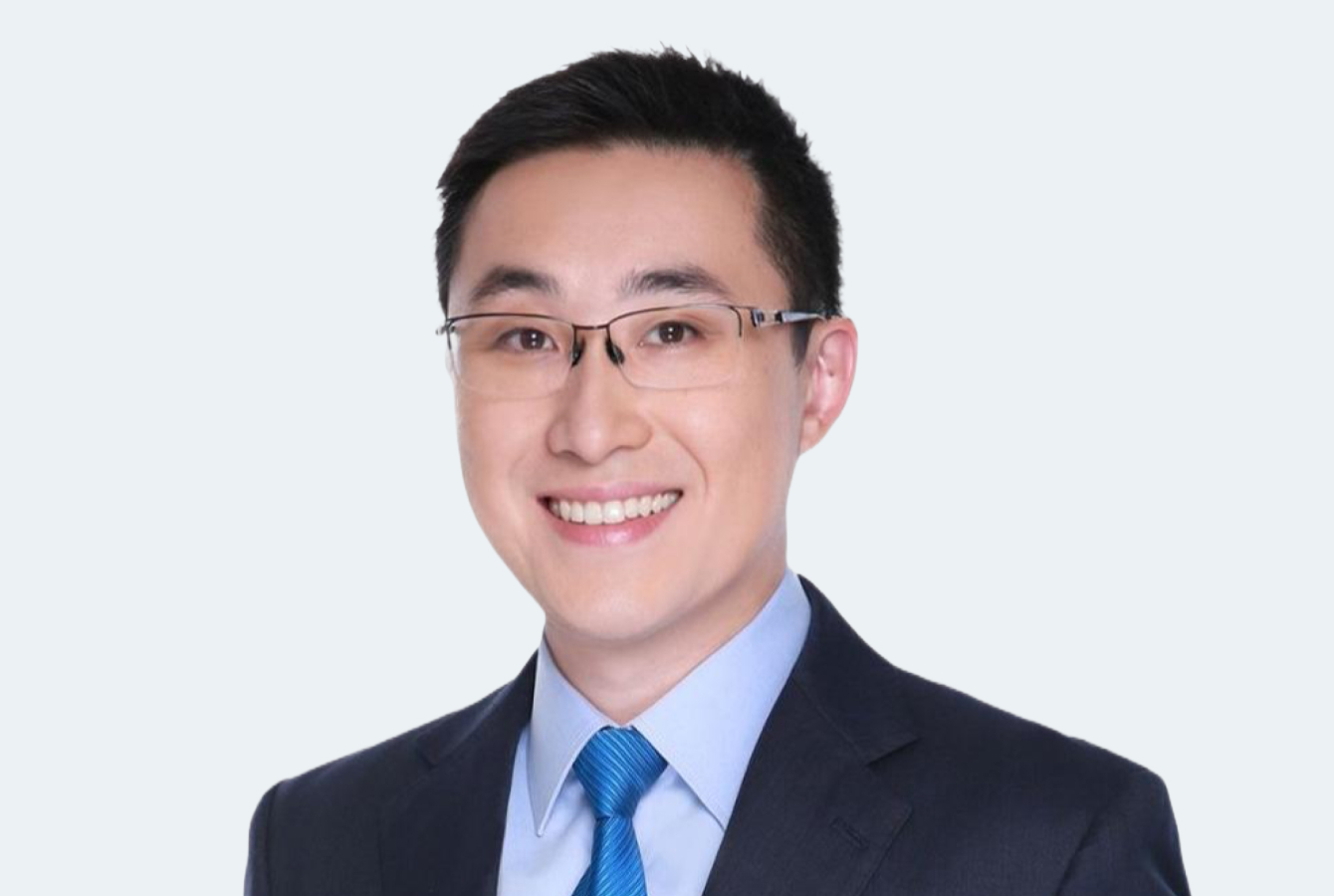
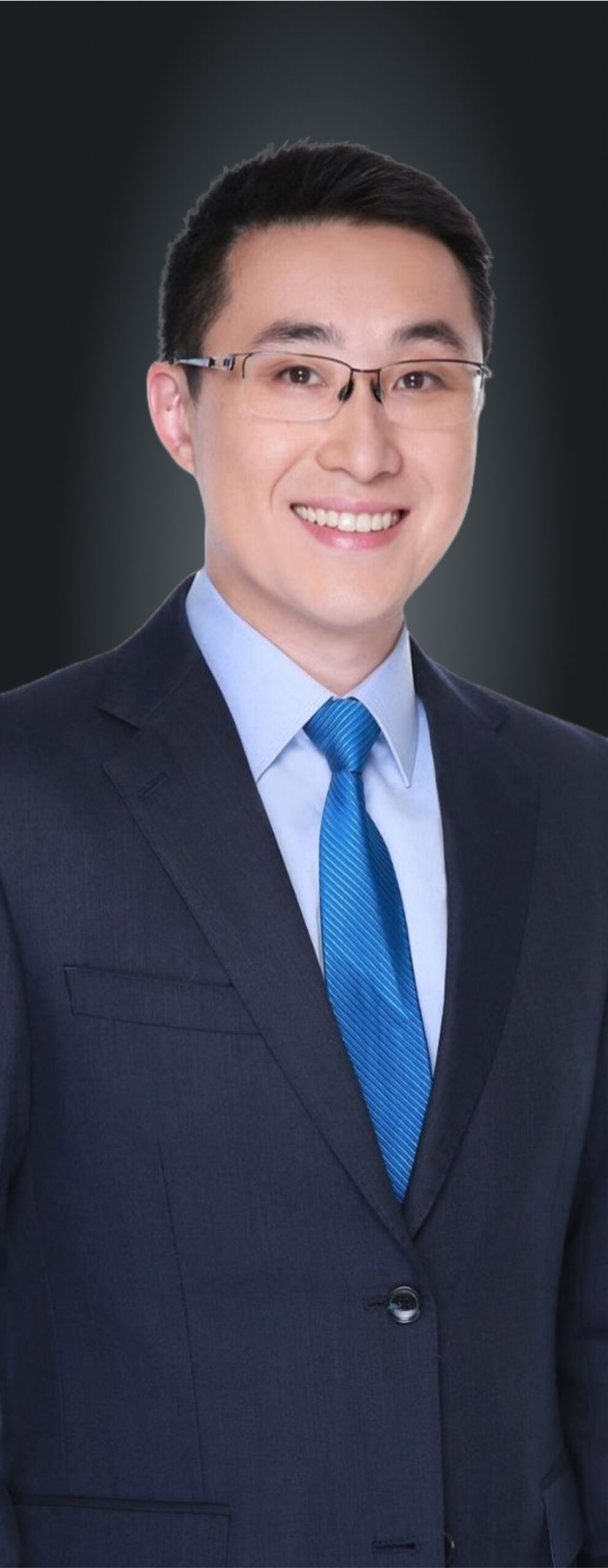
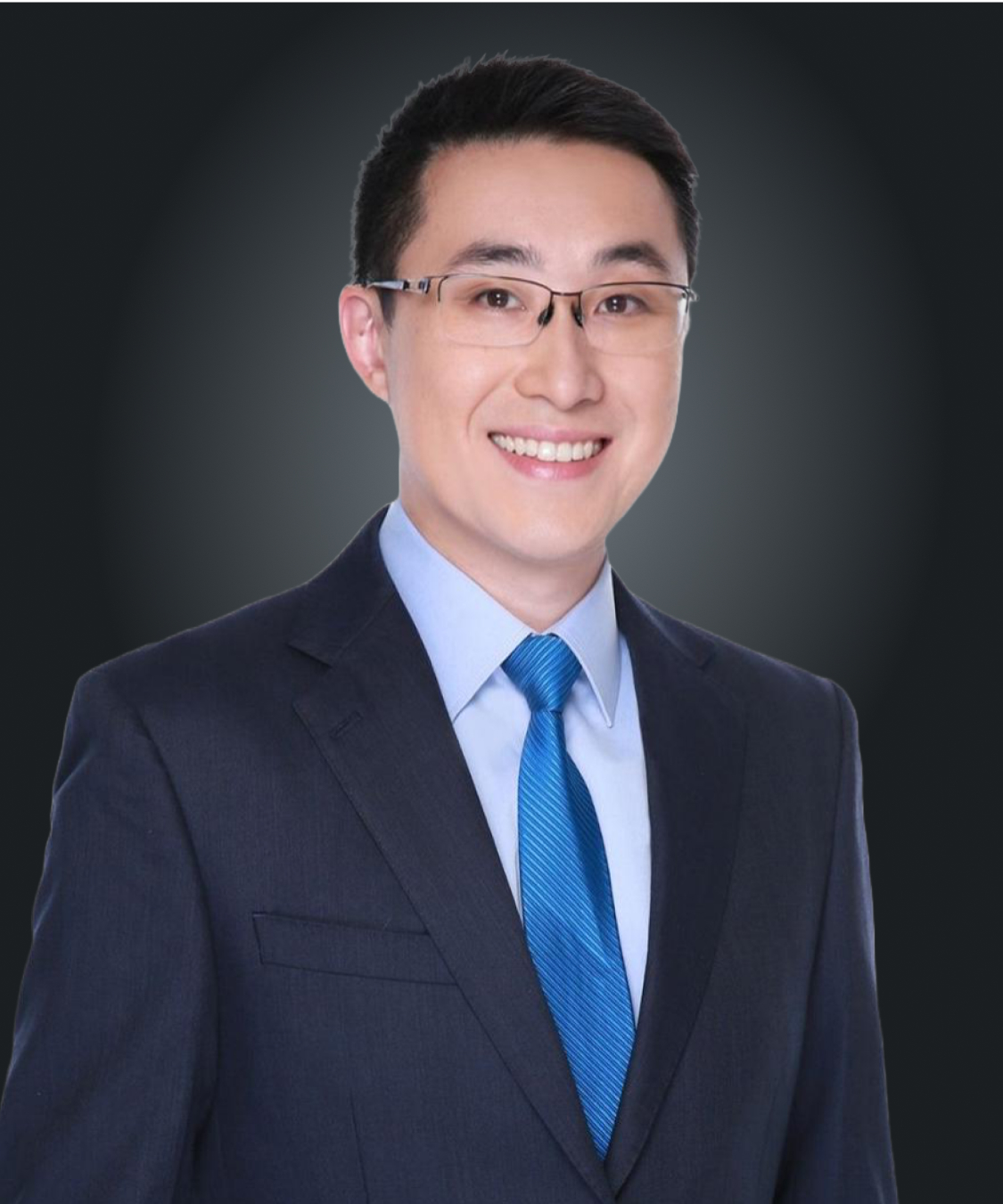
Dr. Dennis Ng Zhaowen
- SLAP Tear Specialist With 15+ Years Of Experience
Fellowship-trained Orthopaedic shoulder surgeon with 15+ years of experience - Specialised Techniques For Faster Recovery
Specialises in minimally invasive keyhole and knotless repair techniques for SLAP Tear - Experience Treating Professional Athletes
Has rich experience treating professional athletes and returning them to sports. - Patient-Focused Approach
Dedicated to building strong doctor-patient relationships through clear communication and personalized care tailored to each individual’s needs. Consult Dr. Dennis Ng Today.
Specialised Orthopaedic Procedures For SLAP Tears
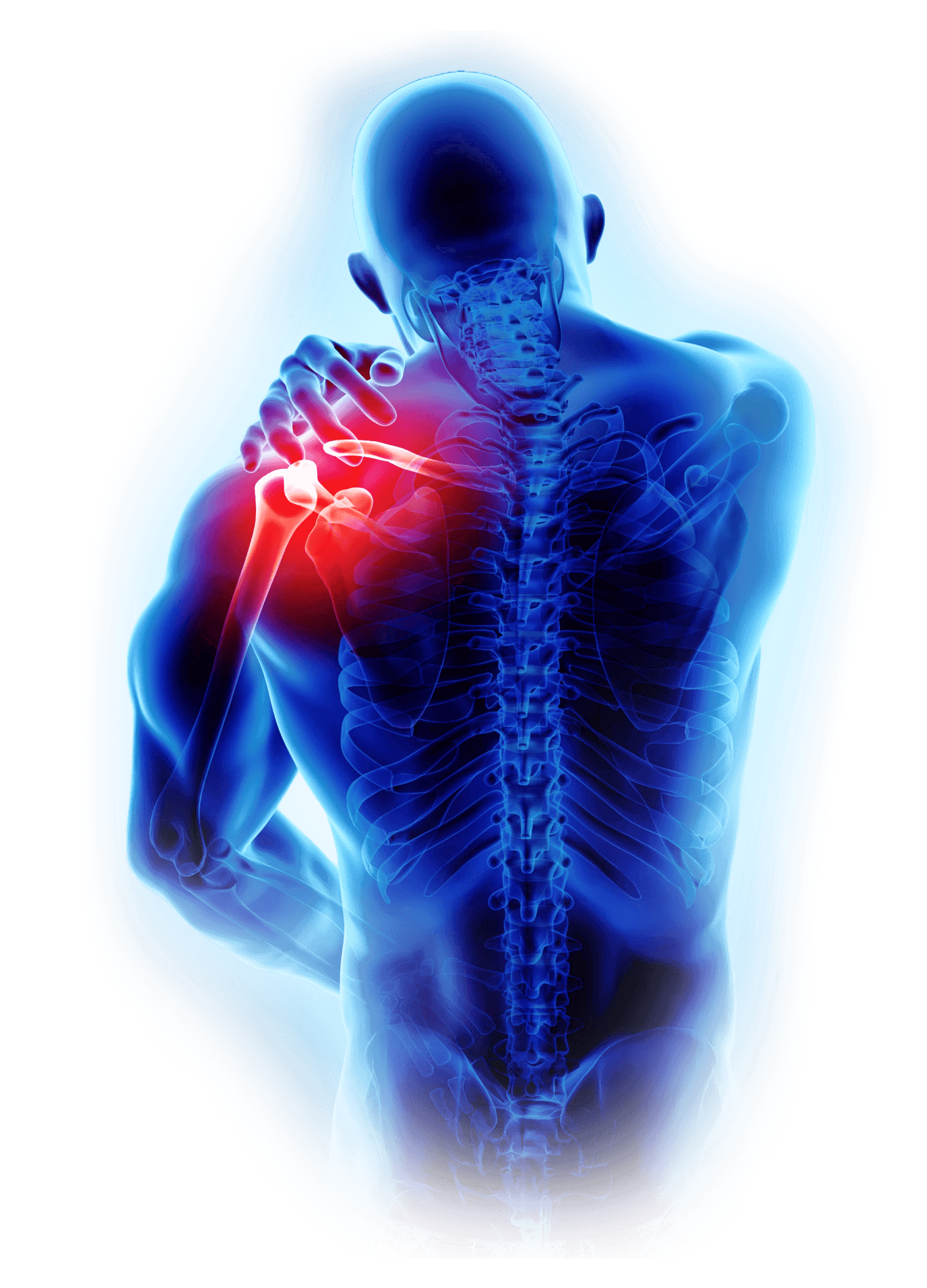
We offer advanced treatment options for shoulder conditions like SLAP tears, providing personalized care to restore your shoulder’s function and mobility. With expertise in both minimally invasive procedures and comprehensive rehabilitation, our focus is on delivering the most effective solutions for your recovery. Consult Dr Dennis Ng today for a detailed consultation & accurate diagnosis.
Arthroscopic Surgery
A minimally invasive procedure to repair the labrum.
Labral Debridement
Removing frayed or damaged tissue from the labrum to alleviate symptoms.
Labral Repair
Surgically reattaching the torn labrum to the bone using sutures or anchors.
Capsulolabral Reconstruction
Rebuilding the labrum and surrounding structures to restore shoulder stability.
Why Work With
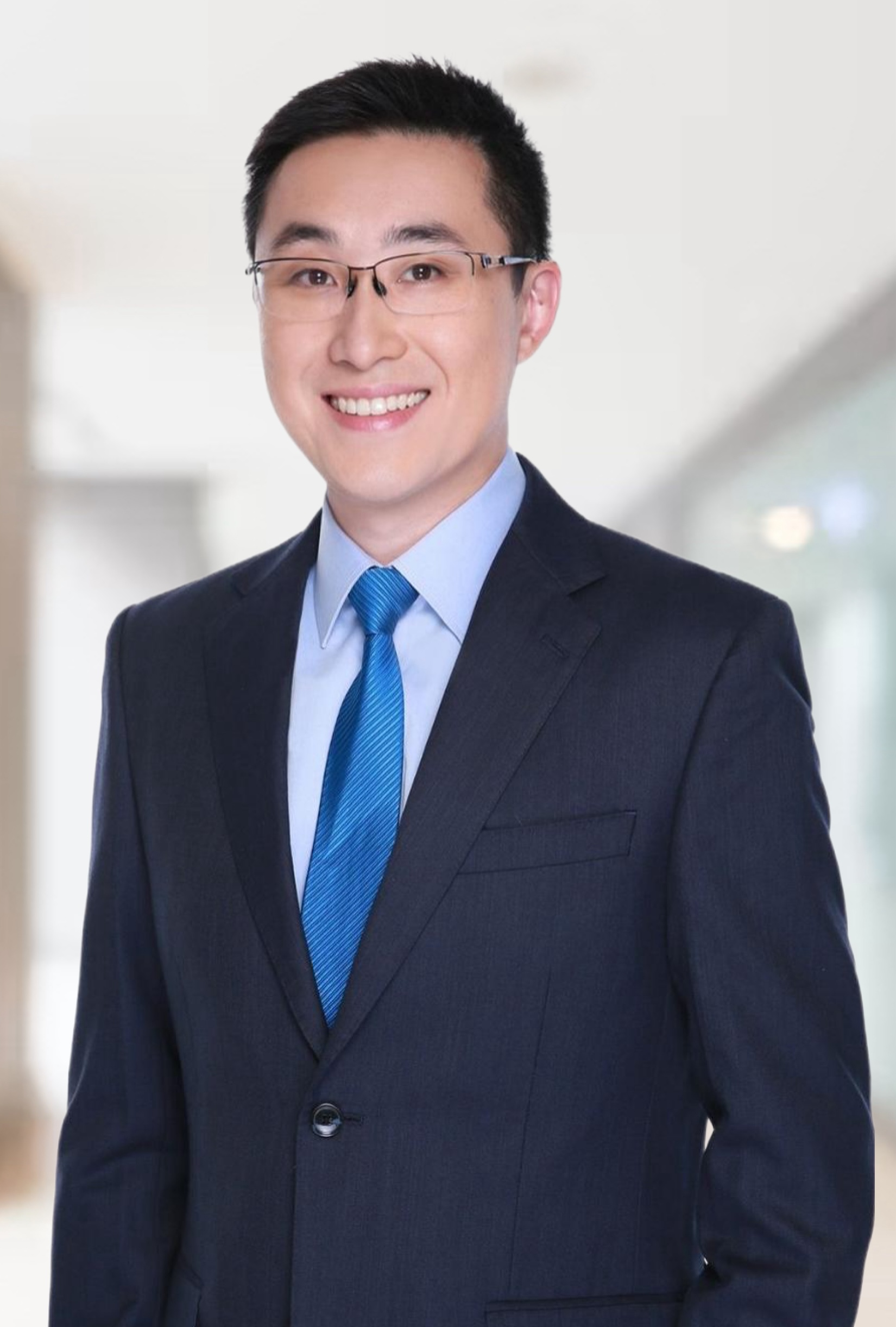
Dr Dennis Ng

Specialised Clinic for all Shoulder Concerns & Sports Injuries

Affordable & Transparent Pricing

Friendly & Professional Clinic Staff

Full Assistance with Insurance & Medisave Claims

Same-Day Appointments Available
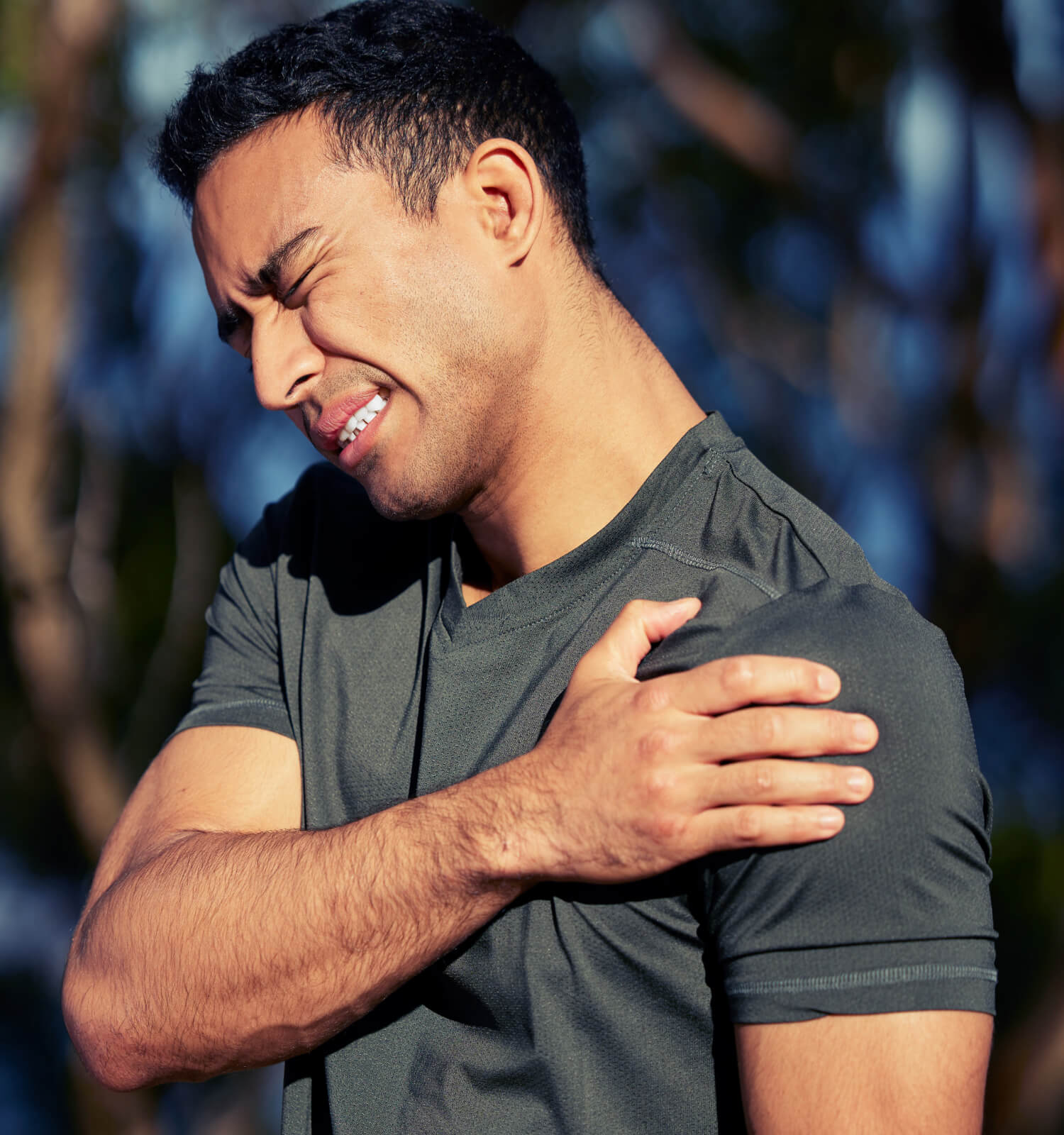
Start Your Journey To Recovery
Get specialised treatment for your SLAP Tear/Labral Tear condition today.

Appointment
We will respond to your enquiry within one business day as we arrange your appointment.
Consultation
Dr. Dennis will take the time to thoroughly review your medical history, perform a detailed assessment, and offer a precise diagnosis of your condition.

Imaging / Investigations
If needed, Dr. Dennis will arrange for diagnostic imaging like MRI, CT scans, or X-rays to further investigate the underlying causes of your condition.

Personalised Treatment
Taking into account your unique needs and preferences, Dr. Dennis will develop a treatment plan tailored specifically to you.

Review and Follow-up
Dr. Dennis will closely track your recovery, conducting regular follow-up appointments to ensure the best possible long-term outcomes.
Your One-Stop Orthopaedic Shoulder Centre
Your One-Stop
Orthopaedic Shoulder Centre
At the heart of my dedication to orthopaedics and sports medicine is the privilege of helping athletes overcome challenges and return to their passions.
Utilising minimally-invasive techniques such as keyhole surgery, I’ve seen how these evidence-based treatments can dramatically improve recovery times and overall outcomes.
By focusing on precision and reducing recovery periods, we enable athletes & normal individuals to get back to their best form faster.
The greatest reward for me is witnessing my patients’ joy as they regain their strength, rediscover their passion, and continue their journey towards achieving their personal or professional athletic goals.
Dr. Dennis Ng Zhaowen
MBBS (Singapore), MRCSEd, MMED, FRCSEdOrth (Gold Medal Award)
Frequently asked questions
When Should I Visit An Orthopaedic Specialist For My Slap Tear/Labral Tear?
You should consider consulting an orthopaedic shoulder specialist if you experience any of the following symptoms:
- Persistent Shoulder Pain: If shoulder pain persists for more than a few weeks despite rest and over-the-counter treatments, it’s important to seek professional advice.
- Swelling or Inflammation: Noticeable swelling, redness, or warmth around the shoulder joint that doesn’t go away may indicate a serious underlying condition.
- Limited Mobility or Stiffness: If you’re finding it hard to lift, rotate, or move your shoulder normally, consulting a specialist can help prevent further injury.
- Instability or Weakness: If your shoulder feels unstable, like it might slip out of place, or if it lacks strength, this could signal ligament or structural damage that requires medical evaluation.
Do I need surgery for my slap tear condition?
Non-surgical treatments like medication, physical therapy, or injections are often effective for SLAP tears. However, if these options don’t provide relief, an orthopaedic shoulder specialist may recommend surgery.
If your shoulder symptoms have been persistent or worsening, seeking medical attention sooner rather than later is highly advisable.
What can I expect during my initial consultation with an orthopaedic shoulder surgeon?
During your initial consultation for a SLAP tear, you can expect the following:
- Discussion of Symptoms: The surgeon will ask about your shoulder pain, any specific injuries that may have led to the SLAP tear, and how the pain affects your daily activities and sports or work performance.
- Physical Examination: The surgeon will assess your shoulder’s range of motion, strength, and stability. They’ll also check for any signs of pain, swelling, or tenderness that could indicate the severity of your condition.
- Medical History Review: You’ll discuss any previous shoulder injuries, surgeries, or conditions, as well as medications you’re currently taking, which can help the surgeon determine the best course of action.
- Diagnostic Tests: The surgeon may recommend diagnostic imaging, such as an MRI or X-ray, to confirm the presence and extent of the SLAP tear. These tests may not be performed immediately but will be scheduled to guide the treatment plan.
- Treatment Options: Depending on the severity of your condition, the surgeon may discuss both non-surgical and surgical treatment options during the consultation. A more detailed plan may be created after reviewing the diagnostic test results during a follow-up appointment.